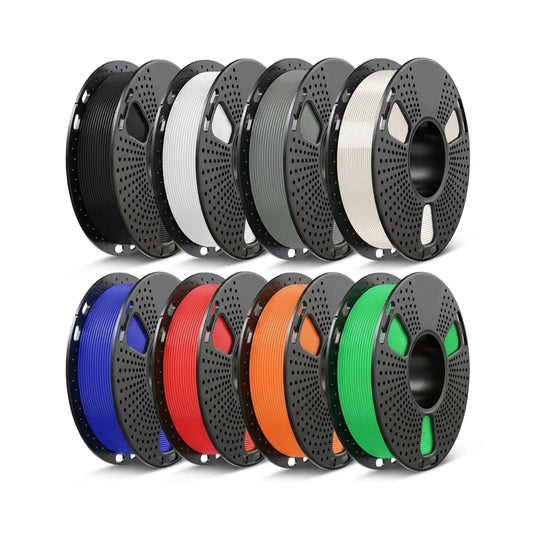
Black Friday Sale: Bulk PLA Filament, Starting at $8.44
コレクション: 3Dプリンター用フィラメント
安定した性能と高品質な仕上がりを実現する、JGMAKERの3Dプリンター用フィラメントをご覧ください。PLA、PETG、TPUをはじめとする特殊素材を、豊富なカラーと仕上げからお選びいただけます。日常的なプリント、機能部品、プロフェッショナル用途、先進的なプロジェクトに最適です。
-
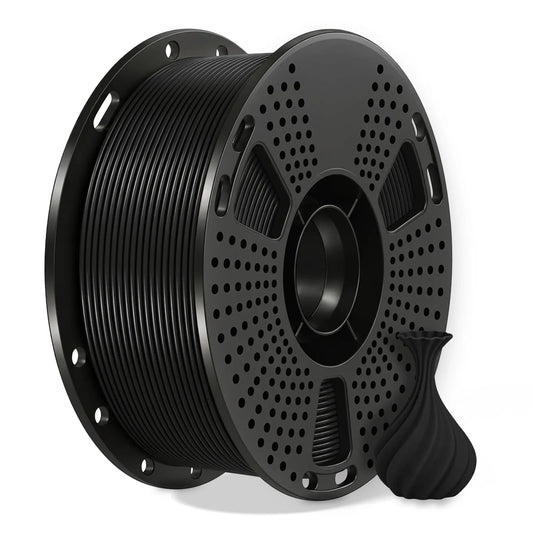
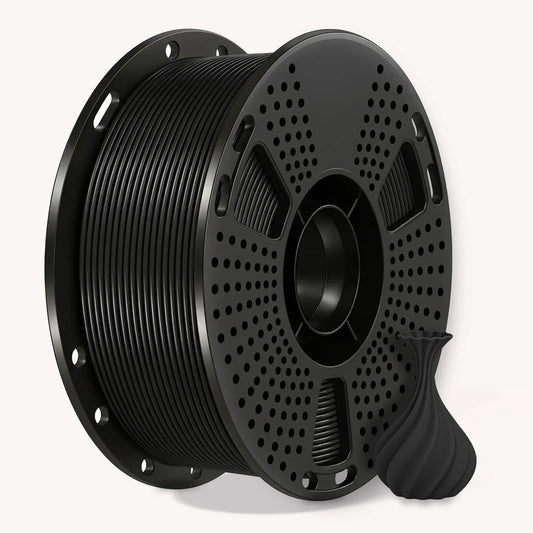
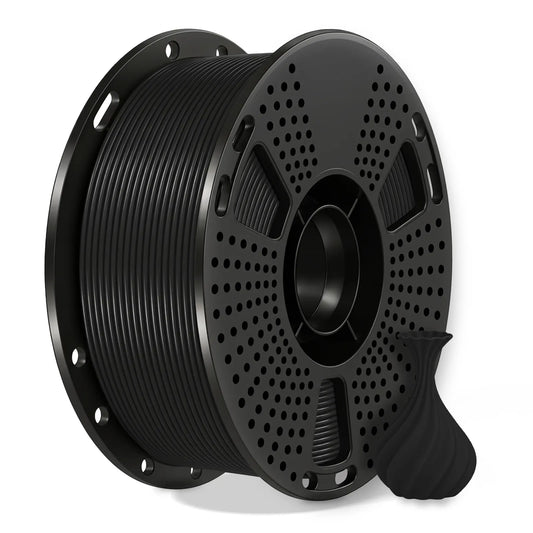
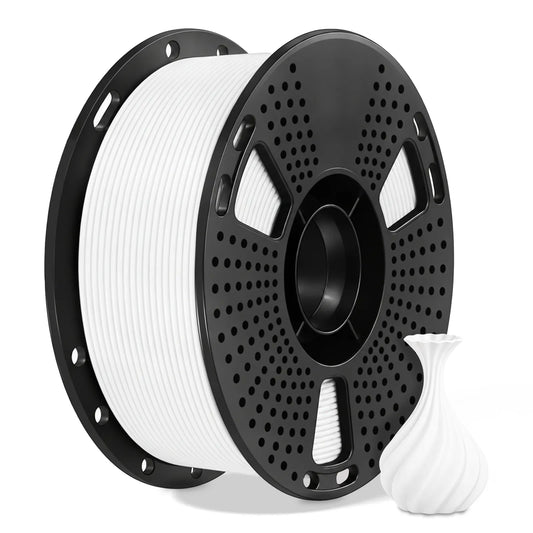
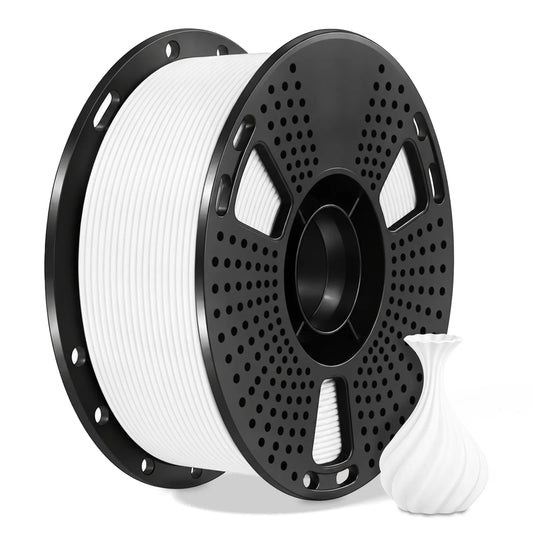
PLA Basic Filament 1kg
87 reviews通常価格 ¥2,400 JPY通常価格¥3,250 JPYセール価格 ¥2,400 JPYFrom after bulk salesセール -
PETG Basic Filament 1kg
59 reviews通常価格 ¥2,200 JPY通常価格¥2,900 JPYセール価格 ¥2,200 JPYFrom after bulk salesセール -
ASA Basic Filament 1kg
35 reviews通常価格 ¥2,750 JPY通常価格¥3,600 JPYセール価格 ¥2,750 JPYセール -
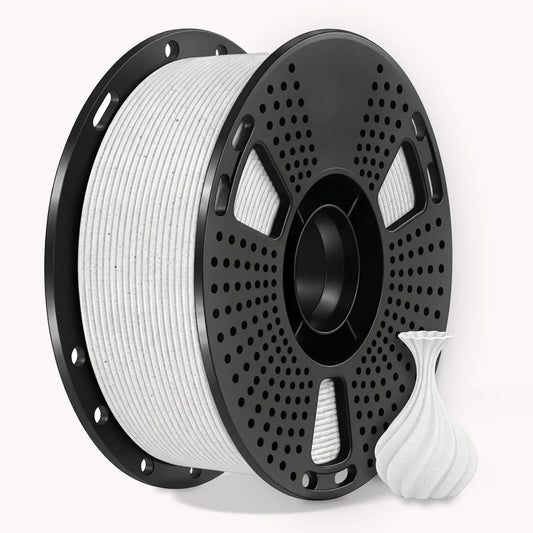
PLA Marble Filament 1kg
42 reviews通常価格 ¥2,750 JPY通常価格¥3,600 JPYセール価格 ¥2,750 JPYセール -
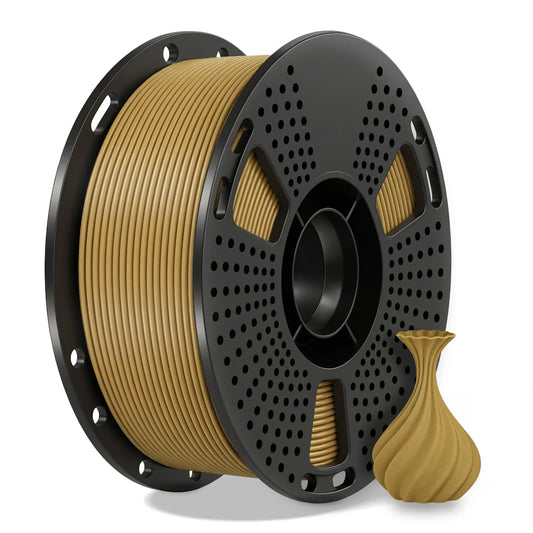
PLA Wood Filament 1kg
46 reviews通常価格 ¥3,100 JPY通常価格¥4,250 JPYセール価格 ¥3,100 JPY売り切れ -
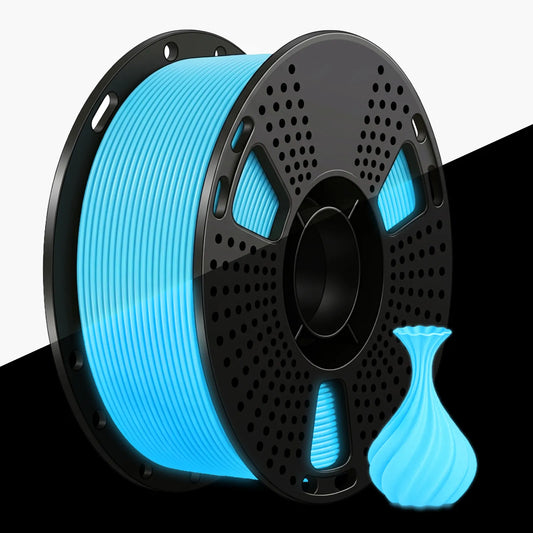
PLA Glow Filament 1kg
51 reviews通常価格 ¥2,750 JPY通常価格¥3,600 JPYセール価格 ¥2,750 JPYセール -
PLA Matte Filament 1kg
34 reviews通常価格 ¥2,750 JPY通常価格¥3,600 JPYセール価格 ¥2,750 JPYFrom after bulk salesセール -
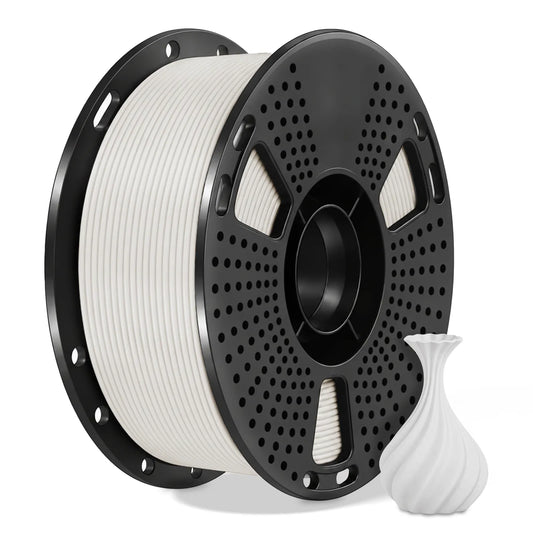
PLA Pure Filament 1kg
No reviews通常価格 ¥2,750 JPY通常価格¥3,600 JPYセール価格 ¥2,750 JPYFrom after bulk salesセール -
ABS Basic Filament 1kg
42 reviews通常価格 ¥2,500 JPY通常価格¥3,250 JPYセール価格 ¥2,500 JPYFrom after bulk salesセール -
ABS Transparent Filament 1kg
19 reviews通常価格 ¥3,250 JPY通常価格¥4,500 JPYセール価格 ¥3,250 JPYセール -
TPU Basic Filament 1kg
64 reviews通常価格 ¥3,600 JPY通常価格¥4,500 JPYセール価格 ¥3,600 JPYFrom after bulk sales売り切れ -
PA Basic Filament 1kg
26 reviews通常価格 ¥3,100 JPY通常価格¥4,500 JPYセール価格 ¥3,100 JPY売り切れ -
-
250g PLAフィラメント マルチカラーバンドル(8スプール)
No reviews通常価格 ¥6,500 JPY通常価格セール価格 ¥6,500 JPY売り切れ -
PLA Starter Bundle – 4 Rolls
No reviews通常価格 ¥8,000 JPY通常価格¥13,000 JPYセール価格 ¥8,000 JPYセール -
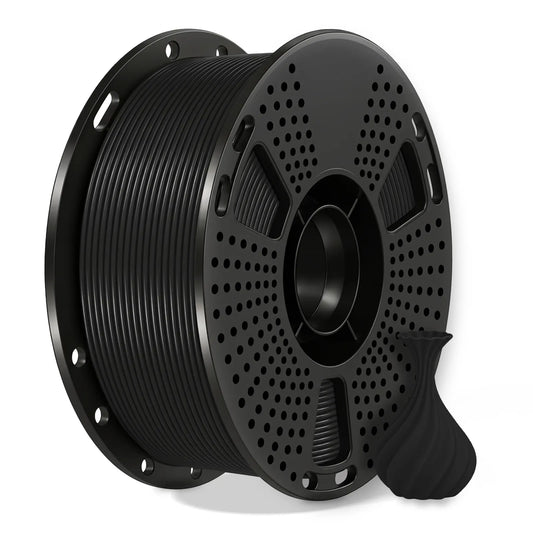
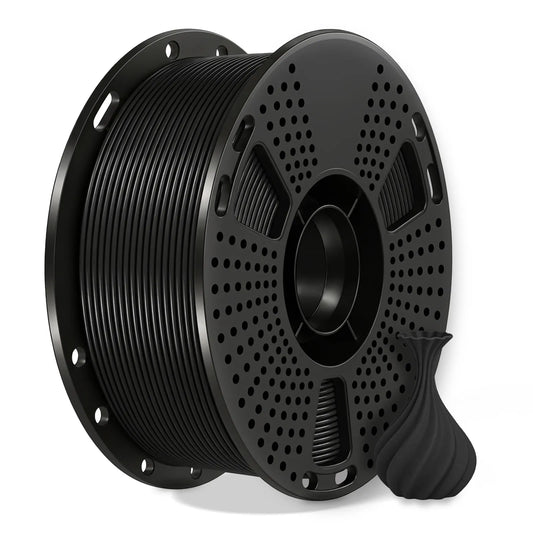
PLA Basic Black Bundle – 6 Rolls
No reviews通常価格 ¥12,000 JPY通常価格¥20,000 JPYセール価格 ¥12,000 JPYセール
Explore Our Range of 3D Printing Filament
Finding the right 3D printing filament is essential for achieving consistent print quality and bringing your ideas to life. Whether you are creating everyday models, functional prototypes, mechanical components, or creative projects, choosing the right material can make a significant difference in your printing results.
JGMAKER3D offers a range of 3D printer filament designed for different printing requirements, applications, and performance needs. From easy-to-print PLA to durable PETG, heat-resistant ABS and ASA, flexible TPU, and engineering materials such as PA and PC, explore our collection of FDM 3D printing materials and find the right filament for your next project.
What Is 3D Printing Filament?
3D printing filament is a thermoplastic material supplied in a continuous spool, commonly used in Fused Deposition Modeling (FDM) and Fused Filament Fabrication (FFF) 3D printers. During printing, the filament is heated and extruded through a nozzle, building an object layer by layer according to a digital model.
Different types of 3D printer filament offer different characteristics, including strength, flexibility, heat resistance, surface finish, and ease of printing. Understanding these differences helps you select the right material for your specific application.
Explore Different Types of 3D Printer Materials
Choosing between different 3D printer materials depends on your project's requirements, printing environment, and desired results. JGMAKER3D offers several filament categories to support a wide range of FDM printing applications.
PLA Filament
PLA (Polylactic Acid) is one of the most widely used materials in FDM 3D printing. Known for its ease of printing, low warping tendency, and excellent surface detail, PLA filament is suitable for beginners, hobbyists, designers, and everyday printing projects.
Explore different PLA options, including basic, matte, silk, and specialty finishes, for decorative models, prototypes, and creative projects.
PETG Filament
PETG (Polyethylene Terephthalate Glycol) combines relatively easy printing with good toughness, impact resistance, and moisture resistance. It is a versatile option for functional models, household components, protective parts, and practical 3D printed products.
ABS and ASA Filament
ABS (Acrylonitrile Butadiene Styrene) is commonly selected for functional parts that require good toughness and heat resistance. ASA (Acrylonitrile Styrene Acrylate) offers similar mechanical characteristics with improved resistance to UV exposure and outdoor weathering.
These materials are suitable for functional prototypes, automotive components, enclosures, and outdoor applications where material performance matters.
PA and PC Filament
PA (Polyamide), commonly known as Nylon, is valued for its toughness, wear resistance, and flexibility. PC (Polycarbonate) is known for its high impact resistance and heat resistance.
These engineering-grade 3D printing materials are suitable for demanding applications such as mechanical components, functional prototypes, and parts requiring enhanced durability.
TPU Filament
TPU (Thermoplastic Polyurethane) is a flexible 3D printer filament designed for applications requiring elasticity, flexibility, and impact absorption. It is commonly used for protective cases, flexible connectors, grips, seals, and wearable accessories.
How to Choose the Right 3D Printing Filament
Not all 3D printer filaments are suitable for every project. Before choosing a material, consider the functional requirements of your printed object and the capabilities of your 3D printer.
Consider Your Printing Application
Start by identifying how the printed object will be used. PLA is a practical choice for decorative models and general-purpose printing. PETG is suitable for functional parts that require toughness and moisture resistance. ABS and ASA are useful for applications involving higher temperatures or outdoor exposure, while TPU is designed for flexible parts.
Compare Material Properties
Different 3D printing materials offer different mechanical and thermal properties. Consider factors such as tensile strength, impact resistance, heat resistance, flexibility, and UV resistance when selecting your filament. Matching material properties to your project's requirements can help improve the performance and durability of your final print.
Check 3D Printer Compatibility
Before purchasing 3D printer filament, check your printer's supported filament diameter, nozzle temperature range, heated bed requirements, and material compatibility. Most desktop FDM printers use 1.75 mm filament, but some machines support other diameters. Always check your printer manufacturer's specifications before choosing a spool.
What Makes High-Quality 3D Printer Filament?
The quality and consistency of 3D printing filament can directly influence printing stability, surface finish, and the reliability of finished parts. When choosing filament, several factors deserve attention.
Consistent Filament Diameter
Consistent filament diameter helps maintain stable material feeding and extrusion. Variations in diameter can affect extrusion volume and potentially lead to inconsistent print results. Checking diameter tolerance is therefore an important part of evaluating filament quality.
Material Quality and Consistency
Reliable raw materials and consistent manufacturing processes help maintain predictable printing characteristics. Consistency between filament batches is especially important for users who regularly print functional parts or repeat the same projects.
Moisture Control and Proper Storage
Many 3D printing materials can absorb moisture from the surrounding environment. Moist filament may cause stringing, bubbling, poor surface quality, and inconsistent extrusion. Proper storage in sealed bags or airtight containers with desiccants helps protect filament quality between printing sessions.
Applications of 3D Printing Filament
Different 3D printer materials open up a wide range of possibilities, from simple creative projects to demanding engineering applications.
Prototyping and Product Development
3D printing filament allows designers and engineers to create product prototypes, test designs, and refine components before moving into production. PLA and PETG are commonly used for general prototyping, while engineering materials can support more demanding functional testing.
Functional Parts and Engineering
For components that need to withstand mechanical stress, heat, or repeated use, material selection is especially important. PETG, ABS, ASA, PA, and PC can serve different functional requirements depending on the application's mechanical and environmental conditions.
Creative Models and Everyday Projects
From decorative figures and personalized gifts to home accessories and custom designs, 3D printing filament makes it possible to turn digital ideas into physical objects. PLA, silk PLA, matte PLA, and flexible TPU offer different aesthetic and functional possibilities for creative printing.
Frequently Asked Questions About 3D Printing Filament
What Is the Most Commonly Used 3D Printing Filament?
PLA is one of the most commonly used 3D printing filaments, especially for beginners and everyday FDM printing. Its ease of printing, low warping tendency, and broad availability make it a popular choice for models, prototypes, and decorative objects.
What Is the Difference Between PLA and PETG?
PLA is generally easier to print and is well suited for decorative models and general-purpose applications. PETG typically offers greater toughness, impact resistance, and moisture resistance, making it a useful choice for functional parts and practical components. The best option depends on your project's requirements.
Does 3D Printing Filament Expire?
3D printing filament does not necessarily have a fixed expiration date, but its performance can change over time due to moisture absorption, improper storage, and environmental exposure. Keeping filament sealed and dry can help maintain its printing properties.
How Should 3D Printing Filament Be Stored?
Store filament in airtight bags or sealed containers with desiccants to reduce moisture exposure. Keep spools away from direct sunlight, excessive heat, and humid environments. For moisture-sensitive materials, consider using a dedicated filament dryer before printing.
Why Shop on Our Store
Fast Shipping
Fast shipping options available
1-Year Warranty
Up to one-year warranty
14-Day Returns
14-day returns & 100% secure payment
Lifetime Support
Email to support@yourstore.com